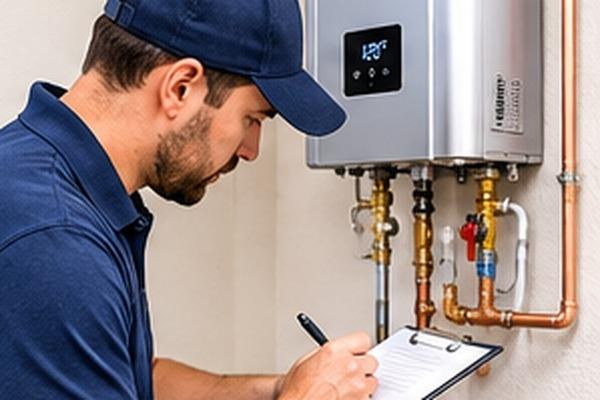
Tankless vs. Tank Water Heaters in Denver's High-Altitude Climate
When it comes time to replace an aging water heater in the Denver metropolitan area, the single biggest decision homeowners face is whether to stick with a conventional storage tank or invest in a modern, wall-mounted tankless on-demand system.
Both systems have clear advantages and distinct engineering trade-offs—especially in Colorado, where high elevation, sub-zero winters, and cold mountain groundwater change how heating systems perform.
In this comprehensive comparison, we examine the real-world performance, upfront installation costs, energy savings, and longevity of tankless versus tank water heaters across Denver, [Aurora](/service-areas/aurora/), [Lakewood](/service-areas/lakewood/), and [Highlands Ranch](/service-areas/highlands-ranch/).
How Each System Works
Conventional Storage Tank Water Heaters A conventional tank holds 40, 50, or 75 gallons of water in a steel cylinder under constant domestic pressure. A natural gas burner underneath or two electric immersion elements inside keep the water heated to approximately 120°F at all times. When you open a hot water tap, water exits the top of the tank while cold water enters through a dip tube to the bottom.
- **Lifespan**: 8 to 12 years in Denver's water conditions.
- **Standby Loss**: The unit continually burns fuel to reheat stored water even when no one is home.
Tankless (On-Demand) Water Heaters A tankless water heater has no storage cylinder. Instead, it remains on standby until an indoor hot water faucet is opened. A flow sensor detects water movement, automatically igniting a high-output modulating gas burner (up to 199,000 BTUs). Cold water flows through high-efficiency copper or stainless steel heat exchanger coils, reaching 120°F in seconds and delivering continuous hot water as long as the tap remains open.
- **Lifespan**: 20+ years with annual descaling.
- **Standby Loss**: Zero standby energy loss.
The Denver Altitude Factor (5,280 Feet and Above)
Altitude matters when sizing and operating gas appliances. At Denver's elevation of one mile above sea level (and nearly 6,000 feet in [Centennial](/service-areas/centennial/) and [Highlands Ranch](/service-areas/highlands-ranch/)), atmospheric air pressure is lower and air is roughly 17% less dense than at sea level.
Impact on Storage Tanks Standard atmospheric draft tank heaters draw combustion air naturally from the surrounding room. At high elevation, lower oxygen density can cause incomplete combustion if the burner orifice is not properly calibrated, leading to yellow sooting flames, lower recovery rates, and elevated carbon monoxide.
Impact on Tankless Units Modern condensing tankless systems (such as Navien NPE-240A2 or Rinnai RU199iN) feature sealed combustion with computer-controlled variable-speed blowers. These units actively compensate for thinner mountain air by adjusting fan RPM and gas-to-air ratios, ensuring optimal combustion efficiency regardless of altitude.
Winter Groundwater Temperatures: The Real Test
The most important factor in water heater performance along the Front Range is **incoming water temperature**.
During July and August, municipal groundwater entering Denver homes averages around 58°F to 65°F. However, in January and February, when snowmelt feeds reservoirs, incoming water temperatures plummet to **38°F to 42°F**.
To deliver a comfortable 120°F shower, your water heater must achieve an **80°F temperature rise**:
$$120^circ ext{F output} - 40^circ ext{F incoming} = 80^circ ext{F rise}$$
What This Means for Tankless Sizing A tankless unit rated at "9.5 Gallons Per Minute (GPM)" on manufacturer marketing brochures is typically tested with a mild 35°F temperature rise (common in Texas or Florida). In Denver during winter, that exact same unit will deliver approximately **4.8 to 5.2 GPM**.
That flow rate is plenty for two simultaneous showers running 2.0 GPM water-saving showerheads, but it means proper BTU sizing is critical. Undersizing a tankless unit in Colorado leads to disappointing lukewarm water when multiple fixtures run. That is why professional sizing from our [Tankless Water Heater Installation](/tankless-water-heater-installation-denver/) specialists is so valuable.
Detailed Comparison Table: Tank vs. Tankless
| Feature | Conventional Storage Tank | Condensing Tankless System |
|---|---|---|
| Average Equipment Lifespan | 8 – 12 Years | 20 – 25 Years |
| Upfront Installation Cost | $1,400 – $2,800 | $3,500 – $6,200 |
| Energy Efficiency (UEF Rating) | 0.60 – 0.68 UEF | 0.93 – 0.96 UEF |
| Annual Energy Savings | Baseline | 24% – 34% Lower Gas Consumption |
| Continuous Hot Water Capacity | Limited by tank volume (30–45 mins) | Unlimited continuous hot water |
| Floor Space Required | ~12 to 16 Square Feet | 0 Sq Ft (Wall-Mounted) |
| Catastrophic Flood Risk | High (50+ gal burst potential) | Negligible (no storage reservoir) |
| Required Maintenance | Annual drain flush | Annual chemical descaling |
| Utility Rebates Available | Rare / Low | $400 – $1,200+ (Xcel Energy / IRA) |
Infrastructure Requirements for Tankless Conversions
Converting an older Denver home from a storage tank to a tankless unit requires a few infrastructure adjustments that explain the higher initial installation cost:
- **Gas Line Capacity**: A standard 40-gallon tank draws 36,000 to 40,000 BTUs of gas. A whole-home tankless unit draws up to 199,000 BTUs. The supply line from your gas meter must be evaluated; older 1/2-inch lines often need to be upgraded to 3/4-inch or 1-inch pipe.
- **Direct Concentric Venting**: Tankless condensing units cannot vent into old metal B-vent chimneys. They require dedicated intake and exhaust PVC or polypropylene pipes routed directly through an exterior rim joist or roofline.
- **Dedicated Electrical Outlet**: Tankless units need a standard 120V outlet nearby to power internal circuit boards, digital displays, and draft blowers.
- **Condensate Drainage**: High-efficiency condensing units produce slightly acidic water runoff that must be routed through a neutralizer and into a drain.
Who Should Choose a Storage Tank? - Homeowners planning to sell their home within the next 2 to 4 years. - Homes with limited gas meter capacity where gas line upgrades would be cost-prohibitive. - Tight budgets requiring the lowest upfront out-of-pocket investment. - Households of 1 to 3 people with modest, predictable hot water usage.
Explore our dedicated [Water Heater Installation](/water-heater-installation-denver/) page for available high-efficiency storage tank models.
Who Should Choose a Tankless System? - Growing families who regularly exhaust hot water during back-to-back morning showers. - Homes with large soaking tubs, jacuzzi fixtures, or multi-head walk-in showers. - Homeowners finishing basements who want to free up 15 square feet of floor space. - Anyone seeking maximum home resale value, lower carbon footprint, and complete peace of mind against catastrophic tank rupture.
Making the Right Decision for Your Denver Home
The right choice comes down to your budget, household size, and how long you plan to stay in your home. Our network of licensed Colorado plumbers provides honest, transparent assessments. When you call **(456) 789-0123**, a local plumber can inspect your current utility space, check your gas line size, and provide a clear written estimate for both conventional and tankless replacement options.
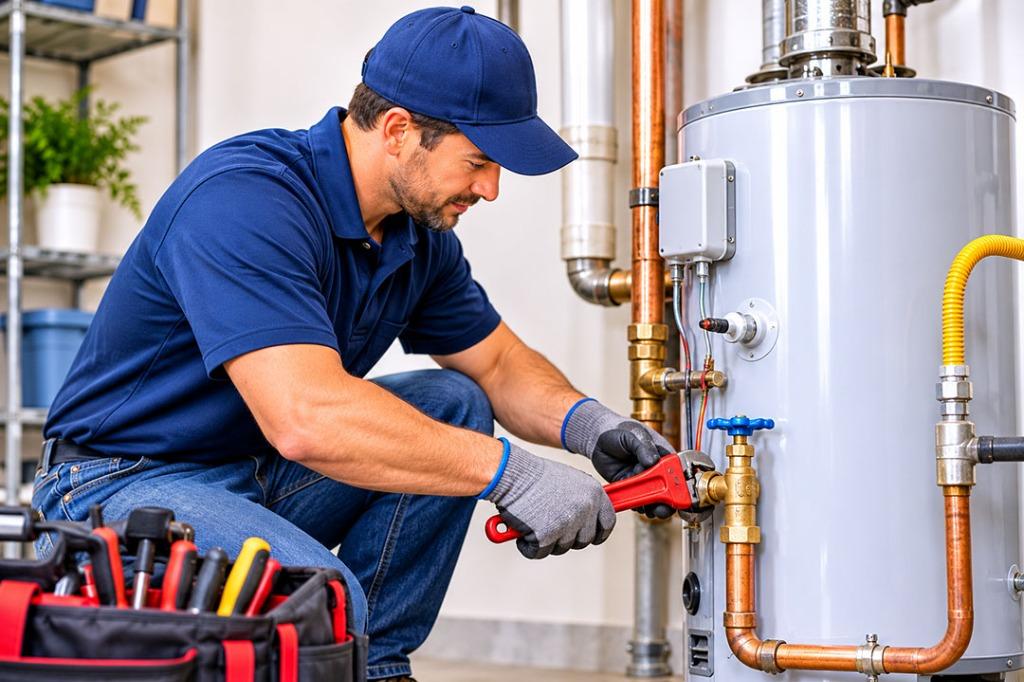
On-Site Field Testing & Diagnostic Standards
Denver plumbers verify water pressure, high-altitude gas combustion ratios, and electrical continuity before recommending part replacements. If you suspect your water heater is failing, call for an immediate on-site inspection.